Power Up
Your Career
In Solar Tech
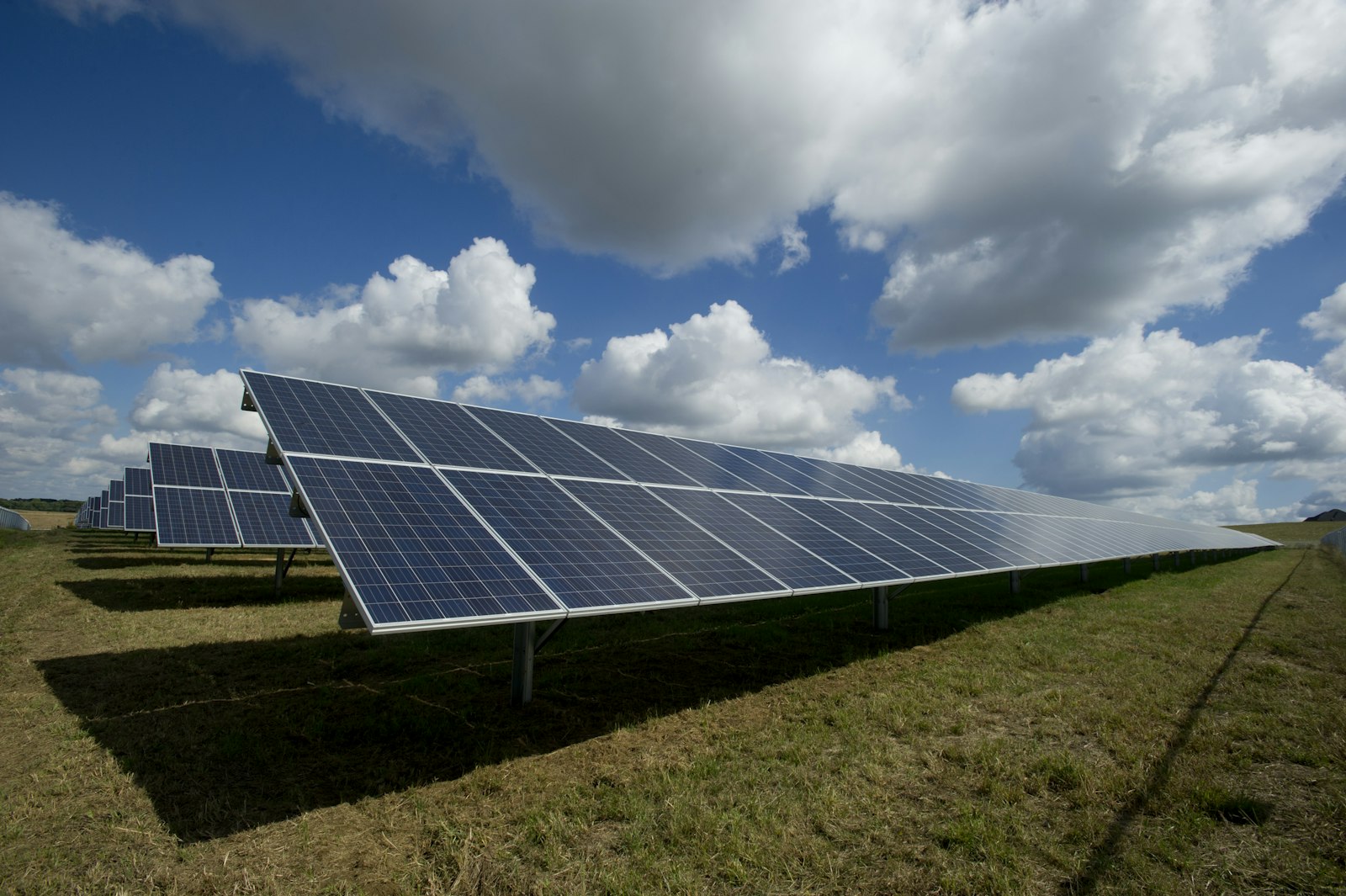
The solar industry is adding 40,000+ jobs every year. Get your PV Technician certification in as few as 6 months and step into one of America's fastest-growing, recession-proof trades.
America Needs 500,000 More Solar Workers By 2030
Solar PV installation is the fastest-growing occupation in the United States — outpacing virtually every other trade or profession. The Inflation Reduction Act alone is driving hundreds of billions in clean energy investment, and companies are scrambling to hire qualified technicians.
The demand is here right now. Companies are offering top wages, full benefits, and fast advancement to anyone with the right certification. Getting trained today means stepping into a labor market that desperately needs you.
Find Programs Near You →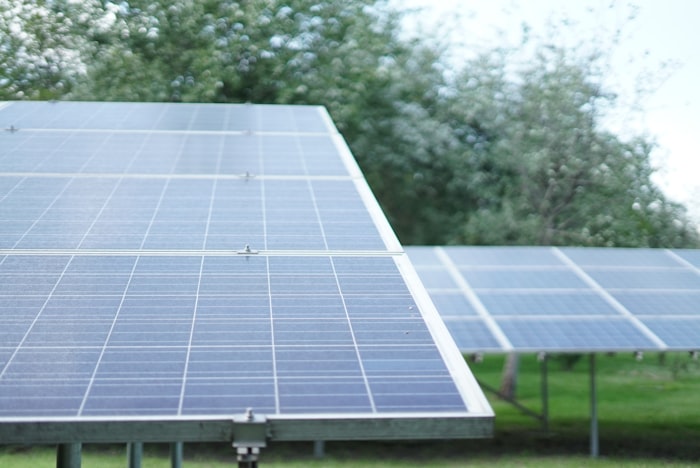
Trade in America
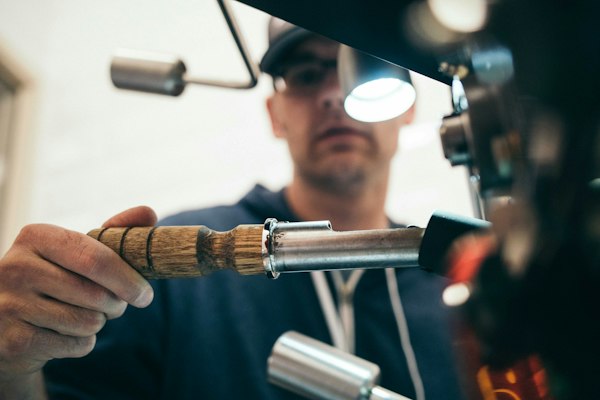
A Day In The Life of a Solar Technician





What You'll Learn & Earn
Accredited solar technician programs build the hands-on skills and certifications that employers are actively paying top dollar for.
Solar PV Fundamentals
How photovoltaic cells convert sunlight to electricity. Panel types, system components, performance metrics, and energy production calculations.
Electrical Safety & NEC Code
OSHA electrical safety protocols, NEC 690 requirements for PV systems, lockout/tagout procedures, and arc flash protection standards.
System Design & Layout
Roof assessment, shading analysis, string configuration, inverter sizing, and production estimation using industry-standard software.
Hands-On Installation
Real racking systems, module mounting, conduit runs, combiner boxes, grid-tie inverters, and battery storage integration — all in live lab environments.
Troubleshooting & Maintenance
Multimeters, clamp meters, and IV curve tracers. Diagnosing underperforming panels, inverter faults, shading losses, and connection failures.
NABCEP Certification Prep
Full preparation for the NABCEP PV Installation Professional exam — the industry's gold-standard credential that commands a 20–30% salary premium over uncertified peers.
Industry Gold Standard
The Clean Energy Revolution
Needs Skilled Hands.
Solar is no longer the future — it's the present. Over 4 million American homes added panels last year alone. Every one of those systems needs a certified technician to install and maintain it. That technician could be you.
Start Your Solar Career →


Real Careers. Real Results.
"I spent 8 years in retail before making the switch. My program took 7 months and I landed a job at $26/hour on day one. The demand for installers in my area is incredible — I get recruiter calls every week."

"Coming from construction, the hands-on parts clicked fast. The electrical theory was new but the pace was perfect. I'm earning $58K my first full year — more than I ever made as a framing contractor."

"As a single mom I needed something that fit around my schedule. The hybrid format let me keep my part-time job while training. I graduated, got NABCEP certified, and now manage a 3-person install crew."

Everything You Need to Know


Get Your Free Solar
Program Guide
Enter your email and we'll send you a comprehensive guide covering program options near you, typical costs, certification requirements, and salary data for your state.